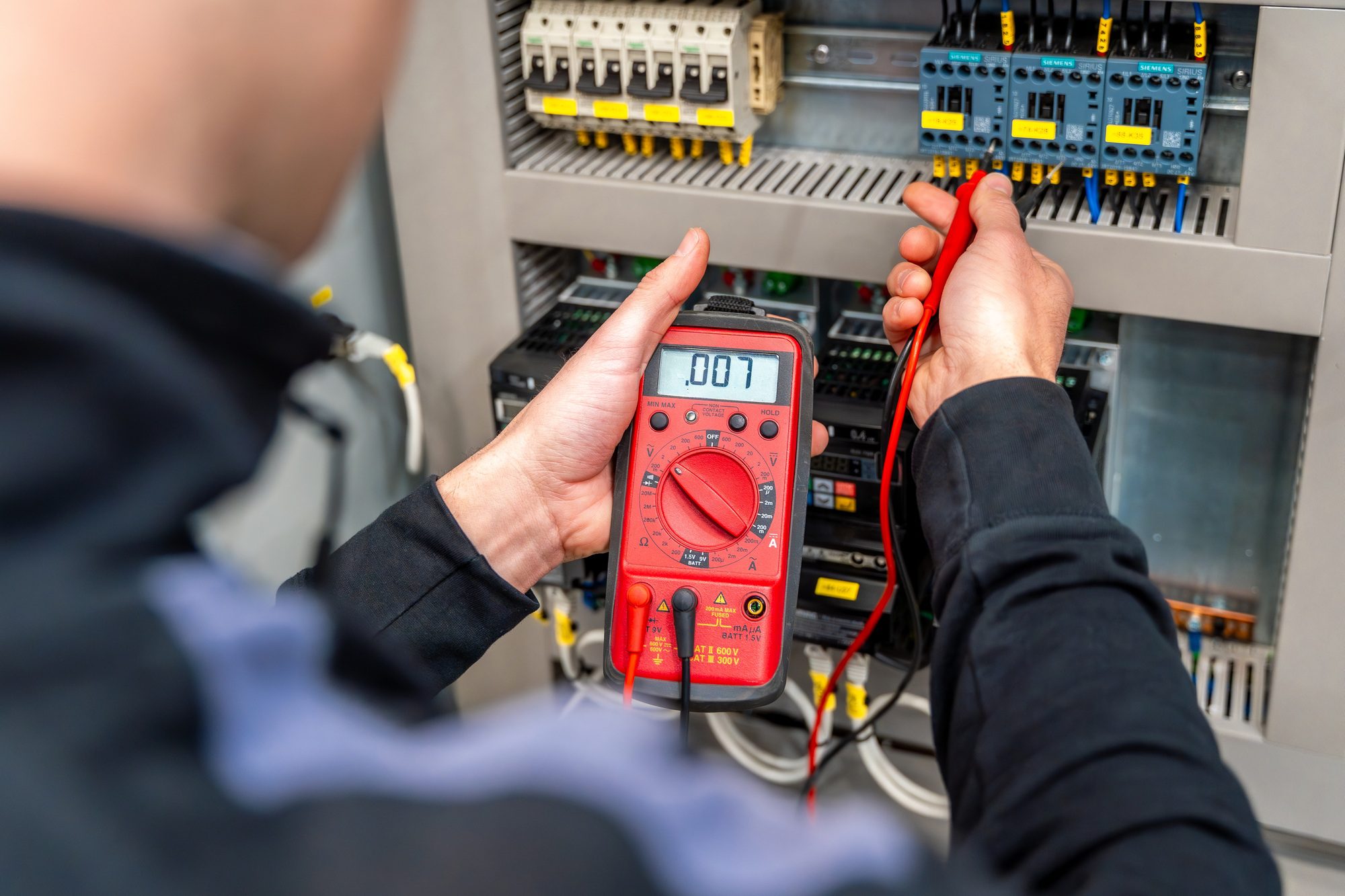
Electrical issues are among the most common and potentially dangerous problems homeowners face in the UK. From flickering lights to tripping fuse boards, many electrical faults start as minor annoyances but can quickly become serious safety hazards if ignored.
Older housing stock, poor DIY upgrades and increasing demand from modern appliances all contribute to electrical systems being pushed beyond their limits. Understanding the most common electrical problems, what causes them and how to resolve them will help you keep your home safe, compliant and functioning as it should.
Below, we explore the most frequent electrical issues seen in UK homes and provide practical advice on what to do next.
1. Frequently Tripping Fuse Boards
One of the most common electrical complaints from homeowners is a fuse board (consumer unit) that keeps tripping. While it can be frustrating, this is actually a sign that your electrical system is functioning correctly.
What causes it?
- Overloaded circuits
- Faulty appliances
- Damaged wiring
- Moisture ingress
- Earth faults
Modern consumer units contain safety devices such as RCDs and MCBs designed to cut power when a fault is detected. If tripping happens regularly, it’s a sign that something isn’t right.
What you should do:
Start by unplugging appliances one at a time to see if a specific appliance is causing the issue. If the problem persists, do not keep resetting the breaker, as this can be dangerous. A qualified electrician can test the circuit and quickly and safely identify the underlying fault.
2. Flickering or Dimming Lights
Flickering lights are often dismissed as a minor irritation but they can indicate more serious electrical problems.
Common causes include:
- Loose wiring or connections
- Overloaded lighting circuits
- Faulty light fittings
- Voltage fluctuations
- Ageing wiring
In older properties, flickering lights can sometimes be linked to outdated wiring that no longer meets current standards.
The right solution:
If a single light is flickering, the issue may be as simple as a loose bulb or fitting, however, if multiple lights are affected, especially when appliances are switched on, it’s time to call an electrician. Loose connections can overheat and pose a fire risk if left unresolved.
3. Not Enough Plug Sockets
Modern homes rely on far more electrical devices than properties were initially designed for. Many UK homes, particularly older ones, don’t have enough sockets.
Why is this a problem:
- Overuse of extension leads
- Increased fire risk
- Overloaded circuits
- Untidy and unsafe cabling
Extension leads should only ever be a temporary solution, yet many households rely on them permanently.
The best fix:
Installing additional plug sockets or upgrading existing circuits is a safe, long-term solution. A qualified electrician can assess your usage and recommend socket placements that suit how you actually live in your home.
4. Outdated or Unsafe Consumer Units
If your home still has an old fuse box with rewirable fuses, it may no longer offer adequate protection.
Risks of old consumer units:
- No RCD protection
- Higher fire risk
- Non-compliance with current regulations
- Reduced safety during electrical faults
Modern consumer units are designed to protect against electric shock, fire, and circuit overload.
What homeowners should consider:
Upgrading to a modern consumer unit is one of the most effective ways to improve electrical safety. It also helps ensure compliance with the latest UK wiring regulations and can be a selling point if you plan to move in the future.
5. Electrical Shocks or Tingling Sensations
If you ever feel a tingling sensation when touching a switch, socket, or appliance, this should never be ignored.
Possible causes:
- Poor earthing
- Faulty wiring
- Damaged appliances
- Incorrect DIY electrical work
Even mild shocks indicate that electricity is not being safely directed away from users.
Immediate action:
Stop using the affected socket or appliance straight away and contact a qualified electrician. Electrical shocks can become more severe over time and pose a serious risk to health and safety.
6. Burning Smells or Scorch Marks
A burning smell near sockets, switches or light fittings is a significant warning sign.
What it usually means:
- Overheating wiring
- Loose connections
- Damaged insulation
- Overloaded circuits
Scorch marks or discolouration are often visible signs of overheating and should be treated as an emergency.
What to do:
Switch off the power at the consumer unit if it is safe to do so and call an electrician immediately. Electrical fires can develop silently behind walls, making early intervention critical.
7. Old/Degraded Wiring
Many UK homes still contain wiring that is decades old. While it may still function, it may not be safe by modern standards.
Signs of ageing wiring:
- Frequent electrical faults
- Cracking or brittle insulation
- Fabric or rubber-coated cables
- Lack of earthing
Older wiring systems were never designed to cope with today’s electrical demand.
The solution:
A qualified electrician can assess the condition of your wiring. If necessary, a partial or complete rewire will significantly improve safety and reliability.
8. DIY Electrical Work Gone Wrong
Poor-quality DIY electrical work is a common cause of faults, particularly in kitchens, bathrooms and extensions.
Common issues include:
- Incorrect connections
- Non-compliant installations
- Unsafe routing of cables
- Lack of proper testing
In the UK, many electrical jobs are legally required to be carried out by a qualified professional.
How to fix it:
If you suspect unsafe DIY work, have it inspected and corrected by a registered electrician. Proper testing and certification ensure the job is safe, compliant and insurable.
Keeping Your Home Electrically Safe
Electrical problems rarely fix themselves and often worsen over time. Addressing issues early helps prevent costly repairs, reduce fire risk and protects everyone in your home.
Regular inspections, modern safety devices and professional electrical work are essential parts of responsible home ownership. If in doubt, always seek advice from a qualified electrician, it’s a small investment compared to the risks of ignoring electrical faults.
How We Can Help
Here at LJR Electrical, we have over 20 years of electrical experience and are highly skilled and knowledgeable in all things electrical in the home.
If you think you may have an electrical issue, even if it’s not one we have discussed, please get in touch with us so we can address it early before it becomes a bigger problem.